

Search engine optimization (SEO) is a broad discipline where it can be easy to get stuck or get caught up in the details.
Sure, accuracy matters, but it’s essential to keep a top-down approach on track with a comprehensive strategy.
Whether you’re a newbie or a Fortune 500 brand, you’ll see that an SEO plan that takes into account a whole set of factors and constant updates will help you improve and grow.
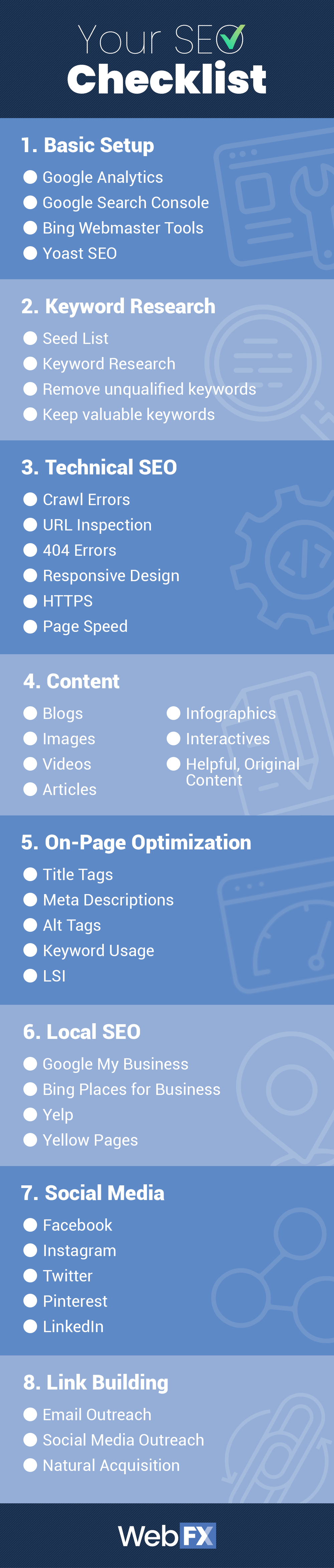
So in this column, you will find a complete checklist to help you work out an SEO strategy built for your special needs. You will work on key issues:
You also want to consider the factors that make up a good website. Have your content, UX, IT and other marketing resources ready for the best possible results on your SEO journey.
Technical SEO Cheat Sheet
Before you focus on the specific content you want to rank in search engines, you need to make sure that your website can be indexed and crawled. To see also : SEO.co launches a new on-page SEO service for advanced and technical SEO targeting.
All of this falls into the category of technical SEO.
Free Reporting Platforms
To get started, make sure you have the Google Search Console, Bing Webmaster Tools, Google Analytics, and Google Tag Manager linked to your site. Read also : SEOblog.com announces the best local and SMB SEO companies in the United States in 2022.
All of these tools provide excellent diagnostic and analytical data to help you along the way.
XML Sitemap
This is an index of your website. See the article : SEO Company Seeks New Content Partners for Increasing Access to Publisher Websites and Top SEO Blog and Content Writing Services. Sitemap file is a modern way to “submit” your pages to search engines.
Most web platforms have this in place or have plugins / add-ons that will create a dynamic site map that will be synchronized with your site pages.
At worst, you should have at least one static that you can create with some free tools.
Robots.txt
This file gives search engines instructions on which pages or parts of the site not to index. By default, search engines will find all the content they can find.
Even if you don’t want to restrict search engines from indexing any page on your site, make sure this file:
See Best Practices for Implementing Meta Robots Tags & amp; Learn more about robots.txt.
Domains
If you own more than one of your primary domain names, make sure you know what each of your additional domain names does. If parked and unused, fine.
If they redirect you to your website, make sure they redirect to 301 (as opposed to mirroring the site or 302 redirecting).
This could be a quick area to check and move forward, but keep in mind that it can cause problems with duplicate content and confusion as to what the real domain name is.
Site Architecture
The more hierarchy and structure you build in your navigation and sections of the website, the better. This will benefit users and search engines and introduce organized topics and content (more on that later).
The goal is to get your directory structure and URLs to match the literal page and file structure of your website content.
Going back and marking the structure or map of your site is a good place to start. This will allow you to think about how you prioritize certain aspects of your website and how you want to target your users (including search engines).
Speed
We continue to see statistics that users spend less and less time before bouncing.
Search engines have worked over the years to incorporate page speed into their ranking factors.
Find ways to reduce JavaScript and heavy-duty code snippets on your pages, and find ways to save or load items away.
There are great developer tools to help you identify the right areas to optimize for your site so that your page load times can be competitive.
See How to Improve Site Performance: 4 Speed Check for More Fast Earnings.
Mobile-Friendly
Given that we need to be mobile. However, even if you have built your site on a mobile framework like responsive design, it’s important to make sure it’s actually validated.
Make sure you run it through Google’s mobile test.
Also, make sure that the user experience (UX) and Quality Assurance (QA) test is as effective as possible for all the devices you plan to use for your users.
404 Pages
Don’t forget to create a custom 404 page and provide helpful information. You don’t want to miss a visitor to your site by showing a default browser error.
You should create a 404 page with helpful links, navigation, site search functionality, and contact options.
SSL
As with mobile needs and the speed of the site, it’s important to have a secure site.
If your website is not under SSL, you may lose users when they see a security warning in Chrome or other browsers before they reach your site.
Incorporate trust into your website by taking a common step in implementing SSL certification on your website.
Plugins, Add-ons, Or Extensions
If you are using a content management system, it is likely that you are already using trusted plugins or other code extensions.
Most platforms have tools that you can add to your site that offer additional control over SEO and analytics features.
Whether these are WordPress SEO plugins or others for Drupal, Magento, etc., you should see the most reliable plugins, extensions, or add-ons that give you the most control and functionality.
Core Web Vitals
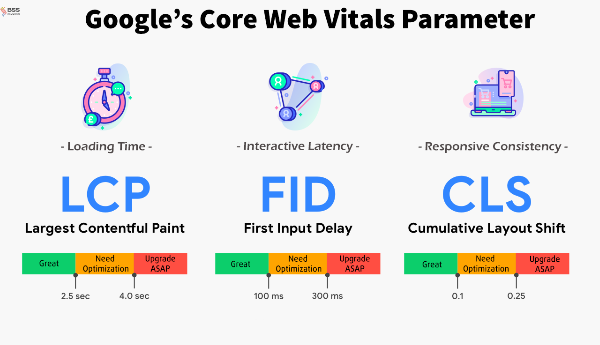
Core Web Vitals is now a category of additional technical pages that are relevant to Google.
These ranking factors are in addition to the Page Experience factors, such as mobile ease and page speed. These page experience factors can certainly lead to specific areas of coding and IT.
Make sure you do some research to learn about CWV. If you’re not responsible for the technical implementation of LCP, FID, and CLS optimization updates, prepare your compelling case for why it’s important to SEO and pass it on to team members you trust to implement the information.
Pre-existing Issues
Do you have luggage from a previous site or an outdated and outdated SEO tactic?
Or maybe you have a legitimate reason to have duplicate content on your website and on the web.
It’s important to know what you’re dealing with before you get into page optimization.
If you have more than one duplicate page, for good reason, you want to consider indexing a canonical strategy or how to use robot instructions.
It is important to realize and order before investing time and effort in on-page optimization.
Copyscape and Screaming Frog are two of my favorite tools for finding and analyzing content before delving into on-page SEO.
On-Page SEO Cheat Sheet
Most people tend to think about page factors (e.g. keywords, content, title tags) every time SEO is mentioned. However, the time has come to optimize the only part of the page or website as a strategy.
Search engines care more about context than keywords, so don’t be tempted to update your meta tags or body copy and move on.
The way we build the context is in every element of a page, and then we think about how the pages relate to each other in the sections and navigation of the site.
Keywords & Topics
Before you focus on contextual construction, you need to know what you want to build.
If you haven’t done any keyword research or more extensive research on your target audience, you’ll need to pause here and take some time to find out what topics and phrases your audience will use to find your site.
Remember that it’s time to copy the terms or label.
We need to use SEO tools to know the right terms, phrases, and topics to match what we do. From there, we can delve into individual words to apply to the site’s architecture.
Basically, get to know the relevant terms, map them to your content, and start with the list of other factors to follow.
Content
Content is necessary to show importance.
If you have few words and aspects on your site, it is difficult to compete with sites that are strong and full of content. More is not always better because high quality outweighs large quantity.
But, if you get both, you will be in an even better place.
What you earn is rich content written for users, resonant with them, and clear to search engines. Don’t be tempted to use outdated tactics that could harm your user experience and put you at risk with search engines.
Learn why content is important for SEO tips.
URL
It is the first element of a page and is sometimes forgotten. Search engines can crawl ugly and faceted URLs.
However, the URL is an option to present a clean directory structure that includes keywords and context to find out what the page is.
Don’t miss the opportunity to customize URL paths.
Title
Again, just the title tag won’t do you much good. However, you must have a unique and unique tag for each page.
Keep in mind the best practices for length and keywords that are most relevant to the topic of the page, and write and implement static tags or make sure you have dynamic headline formulas.
Meta Description
As a title tag, we need to have a personalized and up-to-date meta-description for each page.
Whether static or dynamic, make sure it is user-friendly, has keywords that are relevant to the content, and helps create context with the title tag.
Headings
The title or “H” tags discuss the importance of SEO. Again, I’m not focusing on a single element, but on how all the elements work together to build context.
You can use header tags in an organized manner, and make sure they use relevant keywords. Try using only one H1 tag and be the first.
They are often used by website platforms or developers for CSS purposes, so there may be no H1 tags on a page and a bunch of H6 tags. Note these and how they are woven into your code and content.
Body Copy
Although a large part of the old school is hidden in semantic indexing, key density, and how many times the words should appear on a page, the formulas are outdated, and you can’t ignore the fact that body copies on the page are often the largest block. most indexable content.
Don’t allow your focus keywords to be included in your body copy, as you may need to link to the context you are building in other areas up to this point.
However, don’t get obsessed with using a keyword 37 times. Do everything natural and focus on the bigger picture and you will be in good shape.
Image Alt Attributes
One of the biggest red flags I receive in the results of accessibility and page audit reporting tools is the lack of alternative text. Alt text is helpful for search engines to understand what an image is.
This is another way to work on keywords on a page. You also need to consider the ones that are being used in your viewing screen reader and make sure that your website is fully accessible.
Structured Data
Although not necessarily the correct classification factor – Schema.org goes to the heart of the context of building the brand.
Using the right structured data for your website content can provide another way for search engines to know which segments or categories your topic is in.
If your website platform doesn’t have an easy way to add this, and if it’s a large line item in terms of cost or time, put it in the back of the line items at the top of the items listed above.
External SEO Factors
External factors are things you can’t control on your site and don’t necessarily fall on a checklist.
However, I would be confused if I were to paint a picture, index everything you need to do, and get to the top of the search engines because of the things on the page.
Page factors affect the relevance and trust of your content to search engines. External factors affect your “authority” status and validate your site as an expert on the subject.
Links
From credible and authoritative websites to backlinks to your website (a.k.a. backlinks) play a big role in SEO. Also important are links to unrelated brands (quotes, quotes) and how much your website is talked about on the web.
A lot can be said about creating great content that people want to link to naturally.
To complete your awesome content, it doesn’t hurt to look for great sources of quality links through natural relationships, accreditation, and possible traffic sources in your industry.
You want to focus your efforts on quality sources that are relevant to your topic, and never pay for a link in a way that violates search engine guidelines.
Local Search
If you have a physical or service-based business, local directory and search site citations are key.
While claiming and owning your list helps to protect your brand at a basic level, you need to make sure that your name, address, and phone number (NAP data) are accurate and consistent across all relevant local and network directory listing sites.
There is a whole local directory ecosystem and if you can at least deal with NAP data, you will build a good foundation.
Social Media
Social media can also improve your SEO (and other digital marketing) efforts, even if it doesn’t directly affect your rankings.
Ensuring that your website links to social media accounts and assets is an important first step.
In addition, you need to make sure that your commitment level is equal to that of senior members. This is a relative scale, but by understanding what your competition is doing, you can make sure that the SEO side of society is covered.

Conclusion
I hope this checklist will help you optimize your website. By improving your website’s technical SEO and on-page improvements, you can help Google find and index your content.
As you continue to optimize your website, check your Google Analytics organic search traffic to see the results of your changes.
Featured image: E.F.S / Shutterstock
NAP is an acronym for Name, Address, and Phone Number. The NAP for your business needs to be accurate and consistent when optimizing your website and online presence for local search, because Google values accurate information for its users.
What are the different types of SEO techniques?
Explaining the types of SEO in digital marketing
- White-Hat SEO. White-hat SEO refers to all the optimization techniques that follow Google’s search engine guidelines. …
- Black-Hat SEO. …
- Gray-Hat SEO. …
- Negative SEO. …
- Page SEO. …
- Technical SEO. …
- Off-page SEO. …
- Local SEO.
What are the two techniques of SEO? SEO techniques fall into two broad categories: White Hat SEO and Black Hat SEO.
Can I do SEO on my own?
You can do SEO or DIY SEO (Do It Yourself SEO). With a little research and a lot of practice, anyone can learn how to do SEO for their business. A quick way to get started with SEO is to enter your URL here and then focus your SEO efforts on the recommended action items.
Is SEO a waste of money? SEO is not dead. It’s not about wasting money if it’s done properly. The grass is no greener on the other side; it is greener where it is watered. If you take care of your website, it will take care of you!
What is technical SEO checklist?
Technical SEO is part of any SEO strategy, which is why the site should follow all the recommendations of search engines. The technical audit checklist includes several aspects for analyzing and classifying the technical parameters of the content and structure of the website.
What are technical SEO strategies? What is Technical SEO? Technical SEO refers to everything you do to make it easier for search engines to crawl and index your site. SEO techniques, content strategies, and link building strategies work together to keep your pages in good search rankings.
What is included in technical SEO?
Technical SEO is the process of ensuring that a website meets the technical requirements of modern search engines with the goal of improving its organic ranking. Important elements of technical SEO are crawling, indexing, rendering, and website architecture.
What is technical optimization SEO?
What is Technical SEO? Technical SEO refers to improving the technical aspects of a website in order to increase the ranking of its pages in search engines. A technical optimization pillar makes a website faster, easier to navigate, and more comprehensible to search engines.
Which is the most important on page SEO factor?
Meta Tags On Page SEO is the most important factor in SEO. It has four basic components: Meta Title, Meta Description, Meta Keywords and Meta Robots Tag.
What is the most important SEO ranking factor * related to page content? Content is one of the most important factors in SEO ranking. Search engines want to give you the best possible results, so they give the highest ranking to sites with well-researched, in-depth and well-crafted content.
What are the 3 most important on page SEO factors?
Finally, the most important SEO factors on the page are well-written and original content, a good title and description tag, proper formatting of headers and subtitles, the use of images and their descriptions, and well-composed URLs. those with the most important keywords and not too long.
What are 3 main areas of SEO?
You need three types of SEO strategies for round organic search: on-page SEO, technical SEO, and off-page SEO. By breaking your strategy and thinking like SEO these three categories, it will be much easier to organize and implement your optimization plans.
What are the important aspects of on page SEO?
In addition to posting relevant high quality content, on-page SEO optimizes your titles, HTML tags (title, meta, and header), and images. This means ensuring that your website has a high level of experience, authority, and trustworthiness.
What are the important aspects of on page SEO?
In addition to posting relevant high quality content, on-page SEO optimizes your titles, HTML tags (title, meta, and header), and images. This means ensuring that your website has a high level of experience, authority, and trustworthiness.
Which of the following is an aspect of on page SEO?
On-page SEO refers to the SEO elements or code that you control on your website. Examples of on-page SEO include content, titles and headers, image optimization, title tags, meta descriptions, structured data, and more.
Is SEO free of cost?
The average cost of project-based SEO services ranges from $ 1,000 to $ 1 million or more. Smaller businesses that use local SEO can spend about $ 1,000 a month on each project. Large business-class companies can expect to pay millions of dollars a month.
Does SEO cost money? Technically, SEO is free. You do not have to pay for the SERP. Google classifies content according to several factors, including the E-A-T trio: expert, authority, and trust. Those that are seen as valuable resources for users will be ranked at the very right level.
Can you do SEO for free?
There are literally hundreds of free SEO tools out there, so we want to focus only on the best and most useful ones to add to your toolbox. Many people in the SEO community helped to verify the SEO software in this post (see end of note). To enter, an instrument had to meet three conditions.
Is SEO free or paid?
It attracts a lot of people because SEO is “free website traffic”. And yes, you do not pay when someone clicks on your site in the organic search results. But don’t get me wrong: SEO is NOT free.

Comments are closed.